
The Three Layers of Good Lighting Design
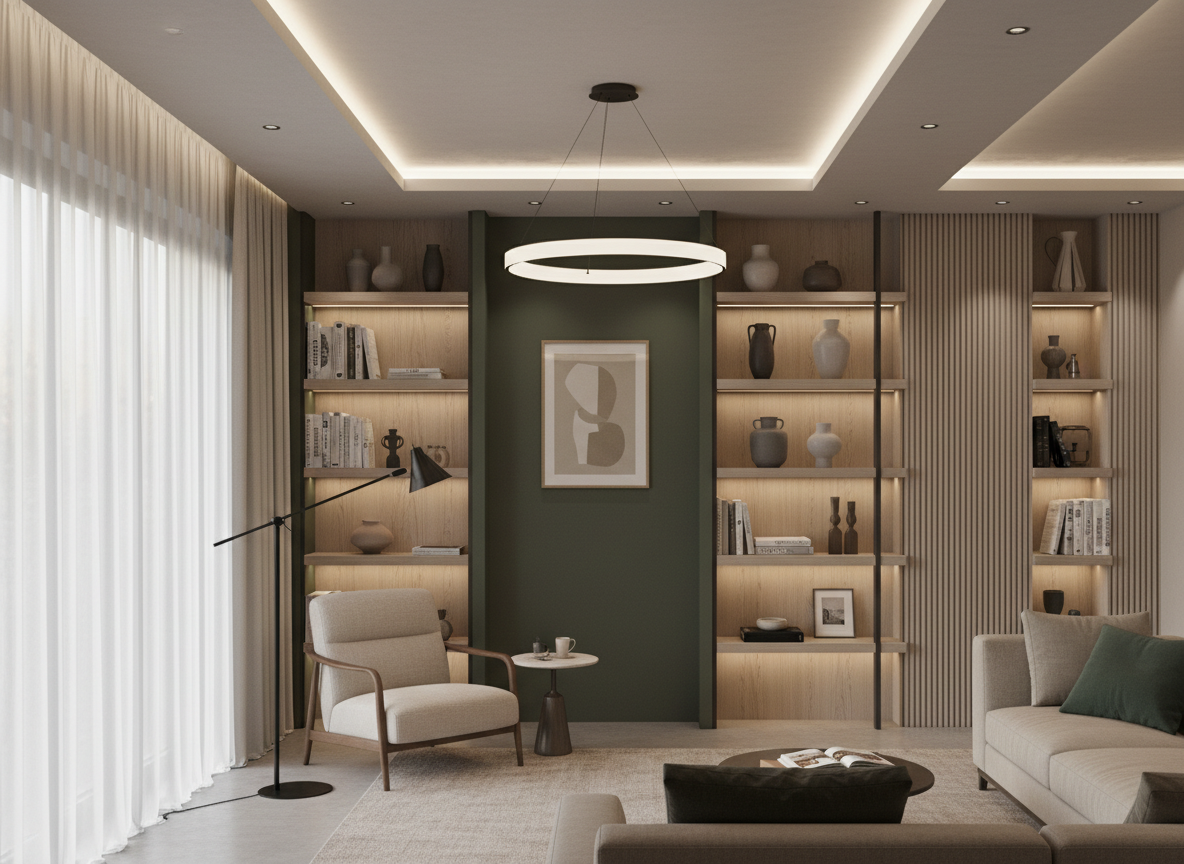
One of the biggest reasons a home feels poorly lit is not always the fixture itself. It is often the lack of layering. Good lighting design uses multiple types of light to support how a room looks, feels, and functions throughout the day.
Instead of relying on one overhead fixture, a well-designed room typically includes three layers of lighting: ambient, task, and accent. When these layers work together, a space feels more balanced, comfortable, and adaptable.
1. Ambient Lighting
Ambient lighting is the general light that fills the room. It creates the base level of brightness and helps people move through the space safely and comfortably.
Examples of ambient lighting include:
recessed lighting
flush mount or semi-flush ceiling fixtures
chandeliers
cove lighting
some wall sconces
Ambient lighting should make a room feel evenly lit without being harsh. In wellness-focused design, this often means avoiding overly bright, flat lighting that can make a room feel sterile or tiring.
2. Task Lighting
Task lighting is more focused light used for specific activities. This is the lighting that helps with cooking, reading, grooming, working, and other detail-oriented tasks.
Examples of task lighting include:
under-cabinet kitchen lighting
vanity lighting at mirrors
desk lamps
reading sconces
pendant lights over work surfaces
Task lighting reduces shadows and improves visibility where it matters most. It is one of the most practical ways to make a home feel easier to use every day.
3. Accent Lighting
Accent lighting adds depth, softness, and visual interest. It highlights architectural features, artwork, shelving, textures, or decorative elements. It can also help create a more calming atmosphere in the evening.
Examples of accent lighting include:
picture lights
shelf lighting
toe-kick lighting
wall washing
small lamps for mood and warmth
Accent lighting is often overlooked, but it plays a major role in making a home feel layered instead of flat.
Why Layering Matters for Wellness
Layered lighting gives homeowners flexibility. A kitchen can be bright and functional during meal prep, then softer and more relaxed in the evening. A bedroom can support reading at night without flooding the whole room with harsh light. A living room can shift from daytime activity to nighttime comfort more naturally.
This flexibility matters because people do not use rooms the same way all day long. Lighting should respond to those changes.
A Better Lighting Experience in Every Room
When planning lighting, it helps to ask:
What activities happen here?
When is the room used most?
Does it need to feel energizing, calming, or both?
Where are shadows or dark spots likely to happen?
What lighting options would make the room more adaptable?
These questions lead to more thoughtful decisions than simply choosing a fixture based on style alone.
Final Thought
The best lighting plans are not about adding more fixtures just to fill a space. They are about creating the right balance of light for real life. Ambient, task, and accent lighting each serve a purpose, and together they create a home that feels more functional, comfortable, and supportive.
In the next post, we will look at how to apply these lighting layers in the kitchen, dining room, and living room.ighting and how they work together in a healthy, functional home.
