
Why Lighting Matters More Than Most Homeowners Realize
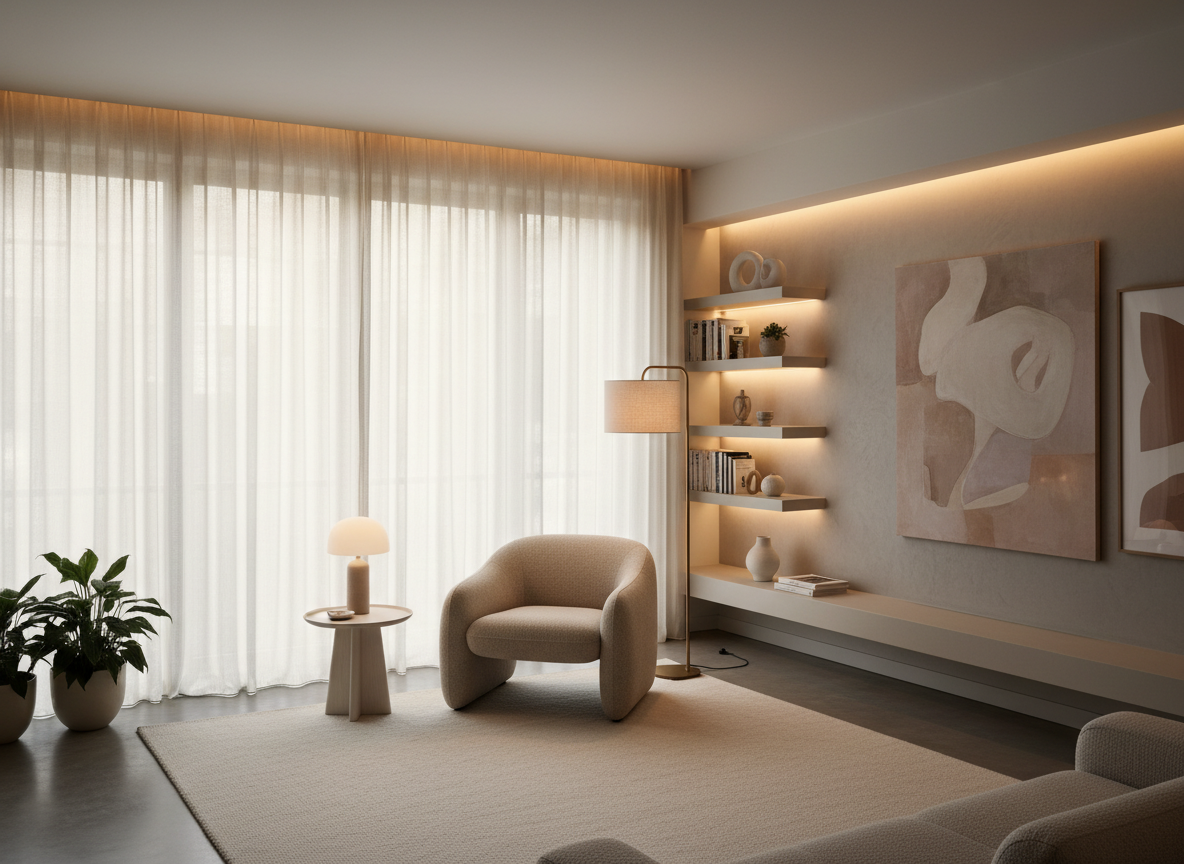
Lighting does far more than help us see. It shapes how a home feels, how well we function in it, and how supported we feel throughout the day. When lighting is poorly planned, even a beautiful home can feel harsh, dim, draining, or uncomfortable. When it is intentional, a home feels calmer, more functional, and easier to live in.
For many homeowners, lighting decisions happen late in the process and focus mostly on fixture style. But from a health and wellness perspective, lighting deserves much more attention. It affects mood, focus, energy, comfort, and the way we move through daily routines.
Lighting Impacts More Than Appearance
A room can have stunning finishes and still feel off if the lighting is too cool, too dim, or too harsh. That is because lighting influences both function and emotion. It can make a kitchen feel energizing, a bedroom feel restful, or a bathroom feel overly clinical.
Poor lighting can contribute to eye strain, fatigue, headaches, and frustration during everyday tasks. On the other hand, well-planned lighting supports comfort, visibility, and a more natural rhythm from morning to night.
Wellness Starts With Everyday Experience
A wellness-focused home is not only about spa-like features or luxury upgrades. It is also about how your home supports your body and mind in ordinary moments. Think about getting ready in the morning, preparing meals, helping kids with homework, working from home, or winding down at night. Lighting plays a role in all of it.
The right lighting can help a space feel more grounded and usable. It can reduce shadows where you need clarity, soften the mood where you need rest, and create flexibility for different times of day.
One Light Per Room Is Usually Not Enough
One of the most common mistakes in residential design is relying on a single overhead fixture. While that may technically light the room, it rarely creates the best experience. Most rooms need layers of light to function well.
A thoughtful lighting plan considers:
overall room brightness
task-specific lighting
softer lighting for evenings
visual balance and comfort
how the space is actually used throughout the day
This is where good design becomes practical, not just decorative.
Lighting Should Support the Way You Live
Every home is different. A family kitchen needs different lighting than a quiet reading room. A bathroom used for detailed grooming needs different lighting than a hallway used for nighttime navigation. Good lighting design responds to real life.
That is why lighting should be considered early, alongside layout, finishes, and function. It is not just the final decorative layer. It is part of how a home works.
Final Thought
If you want your home to feel better, not just look better, lighting is one of the most important places to start. Intentional lighting design can improve comfort, support wellness, and make every room feel more aligned with the way you live.
In the next post, we will look at how natural light affects circadian rhythm, mood, and the overall health of your home.
