
Natural Light and Circadian Rhythm at Home
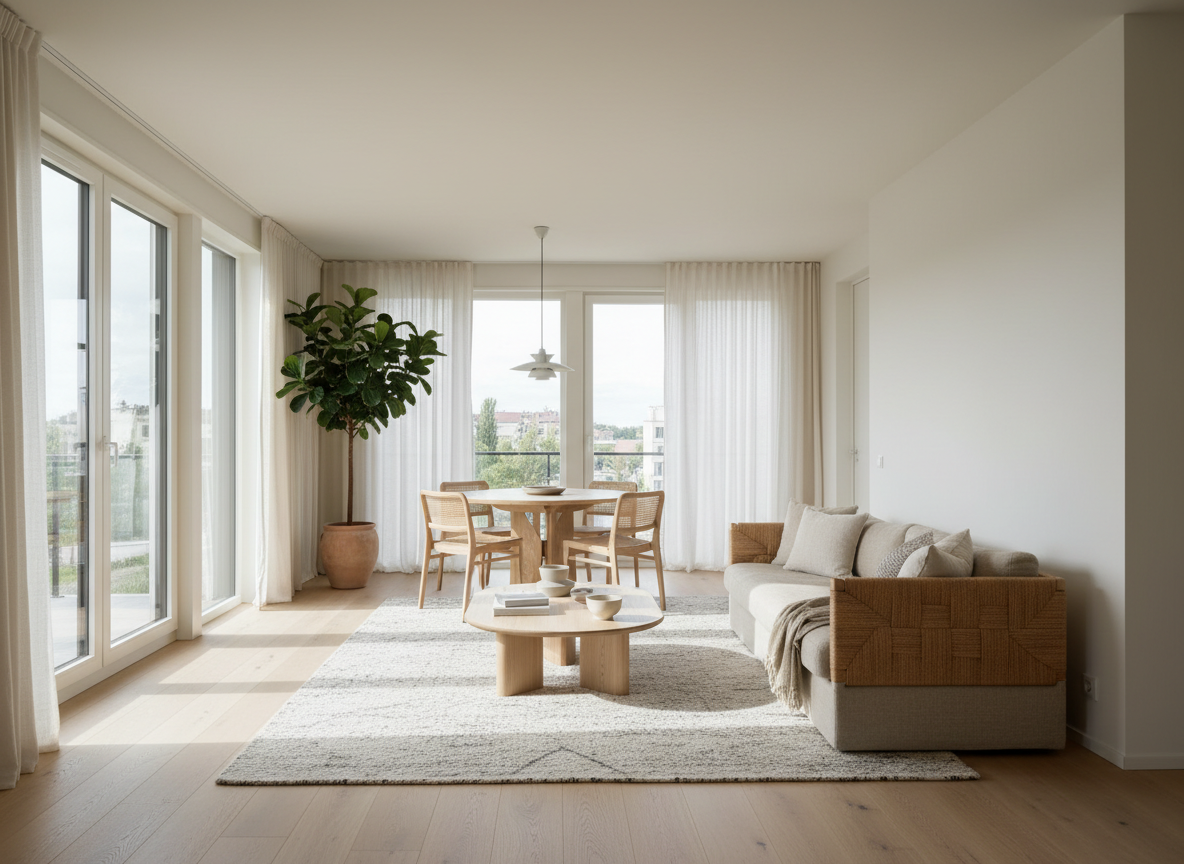
Natural light does more than brighten a room. It helps regulate the body’s internal clock, also known as the circadian rhythm. This rhythm influences sleep, energy, mood, and focus throughout the day. When a home supports healthy light exposure, it can help people feel more awake in the morning, more productive during the day, and more ready to rest at night.
For homeowners, this means lighting design is not just about aesthetics. It is also about creating a home environment that works with the body instead of against it.
Why Circadian Rhythm Matters
Our bodies respond to light cues. Bright light in the morning helps signal that it is time to wake up and be alert. Lower, warmer light in the evening helps prepare the body for rest. When those patterns are disrupted, people may feel sluggish, overstimulated, or have trouble winding down.
This is one reason why dark homes can feel draining during the day, while overly bright or cool-toned lighting at night can make it harder to relax.
Making the Most of Natural Light
Every home has different window placement, orientation, and limitations, but there are still ways to improve the quality of daylight indoors.
A few practical strategies include:
keeping window areas as open as possible
using lighter window treatments where privacy allows
placing mirrors thoughtfully to reflect light
choosing finishes that help bounce light instead of absorbing it
arranging furniture so it does not block key daylight zones
Even small changes can make a room feel brighter, more open, and more supportive during the day.
Room-by-Room Natural Light Considerations
Different rooms benefit from daylight in different ways.
Kitchen: Daylight supports visibility, energy, and a more pleasant cooking environment.
Living room: Natural light helps the space feel inviting and balanced for daily use.
Home office: Access to daylight can improve focus and reduce the sense of fatigue.
Bedroom: Morning light can support a healthier wake-up rhythm.
Bathroom: Natural light can make grooming tasks easier and create a fresher feel.
The goal is not perfection. It is to understand how each room functions and how daylight can better support that use.
When Natural Light Is Limited
Not every home has abundant daylight, and some rooms naturally have fewer windows. In those cases, artificial lighting becomes even more important. The best approach is to mimic a natural rhythm as much as possible by using brighter, clearer light earlier in the day and warmer, softer light in the evening.
This creates a more comfortable transition from active daytime routines to restful nighttime routines.
Final Thought
Natural light is one of the most valuable design tools in a home. It affects more than appearance. It supports how people feel, function, and move through the day. When homeowners begin to think about light as part of wellness, they can make better decisions about layout, finishes, window treatments, and lighting design overall.
In the next post, we will break down the three essential layers of lighting and how they work together in a healthy, functional home.
